
Published 4 June 2026 · 3 min read
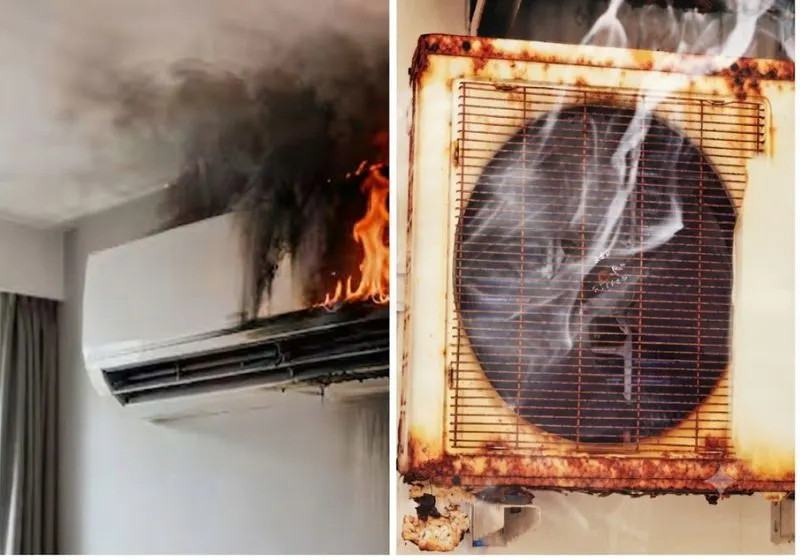
The biggest AC-related fire risks in summer come from old or undersized wiring not rated for the AC's load, using extension boards instead of a dedicated circuit, and moisture getting into outdoor unit electricals during sudden pre-monsoon storms — all of which are preventable with a few checks before peak season.
Most AC-related electrical incidents trace back to a handful of preventable issues rather than the AC unit itself being unsafe.
Have an electrician confirm the AC is on its own dedicated circuit with an appropriately rated MCB — not sharing a circuit with other heavy appliances. Avoid extension cords for AC power entirely; it should run from a fixed point. If your home's wiring is more than 10–15 years old and you're installing a new or higher-tonnage AC, it's worth having the relevant circuit inspected rather than assuming old wiring can handle new load.
Before summer, ask your AC technician (or an electrician) to check the outdoor unit's electrical connections for any corrosion or moisture damage from the previous year's monsoon — this is a small check that catches a meaningful risk factor before it becomes a problem during peak summer load.
It's rare, but electrical faults related to AC installation — old wiring, shared circuits, or moisture damage — are a genuine contributing factor in some home electrical fires, which is why proper installation and periodic checks matter.
It's not recommended — an AC should run from a fixed, dedicated point with its own circuit breaker, not a shared extension board designed for lighter loads.
An annual check, ideally before summer, is a reasonable precaution, especially for homes with wiring older than 10–15 years.
Buying a new AC in Hyderabad? Here's a checklist of questions to ask your installer before the job starts, to avoid common installation mistakes.
Read more →INSTALLATION & BUYING1.5 ton vs 2 ton AC for Hyderabad homes — which size fits your room, and how choosing the wrong tonnage affects maintenance and running costs.
Read more →Tell us the symptoms and your locality — we'll send a technician to diagnose it properly.